We Flew 12 Drones for 3 Weeks to Find the Best Camera Drone for Aerial Photography in 2026
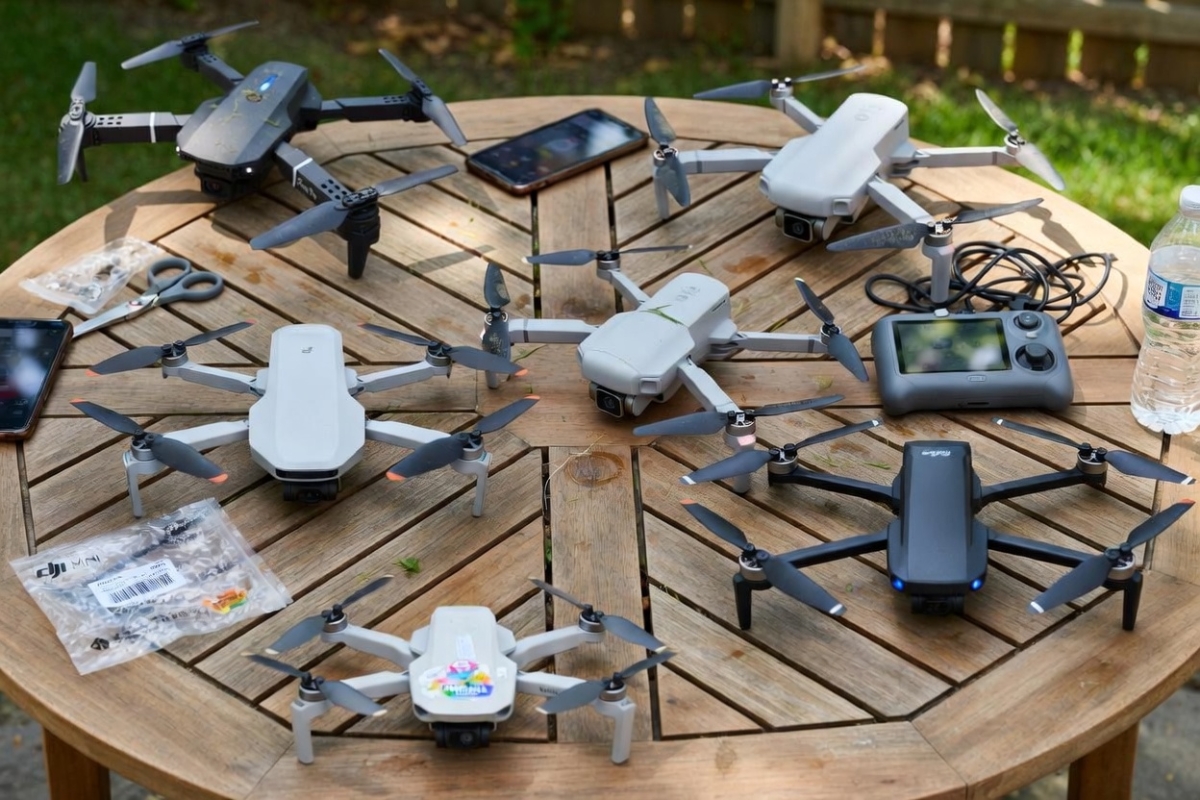
The consumer drone market is full of bold claims about 4K video, GPS precision, and 30-minute flight times — but most drones fall apart the moment you take them into real air.
We spent 3 weeks flying 12 of the most popular camera drones across parks, coastlines, open fields, and urban areas to find the models that actually deliver smooth 4K footage, reliable GPS lock, and long flight sessions — without the frustration of shaky video, weak motors, or premature low-battery warnings.
We tested drones from Bivo SkyVision, DJI, Ruko, Holy Stone, and Potensic, scoring each model on four criteria:
Video Quality
We recorded aerial footage in bright sunlight, overcast skies, and golden-hour light, then reviewed each clip for sharpness, color accuracy, and stability. Electronic Image Stabilization was tested by flying at speed and in light wind to see how well each drone eliminated shake. We scored 4K resolution, dynamic range, and overall footage smoothness.
Flight Stability
GPS hover accuracy and wind resistance are the two most important real-world stability factors. We measured each drone's ability to hold position without input in calm air and in wind gusts up to 15 mph. We also scored altitude hold consistency, drift, and recovery from gusts. Drones with optical flow sensors and barometric altimeters were evaluated for indoor stability as well.
Battery Life
Manufacturer flight-time claims are almost always recorded at minimal speed with no wind. We flew each drone at a realistic mixed pace — hovering, forward flight, camera rotation, and return trips — and recorded actual air time from full charge to automatic landing. We also noted how many batteries were included and how long recharging takes.
Range & Control
Effective control range determines how much creative freedom you have in the air. We tested reliable control distance in open, interference-free environments, noting where signal degraded or the live video feed dropped. Return-to-home accuracy was also evaluated — a critical safety feature if signal is lost.
After 3 weeks of hands-on flight testing, here are the Top 5 Best Camera Drones for 2026.

Ryan T – Drone & Outdoor Technology Specialist
Ryan has spent more than 9 years testing and reviewing drones, action cameras, and outdoor technology for enthusiasts and everyday consumers. He has personally flown and evaluated dozens of models in real-world conditions — from coastal areas and open fields to mountain trails and urban environments — assessing GPS stability, camera quality, flight performance, obstacle avoidance, and battery life to help buyers find drones that deliver reliable results beyond the specifications on the box.

1. Bivo SkyVision
from Bivo
Overall Grade
A+
Rating
9.8/10
Overall Analysis
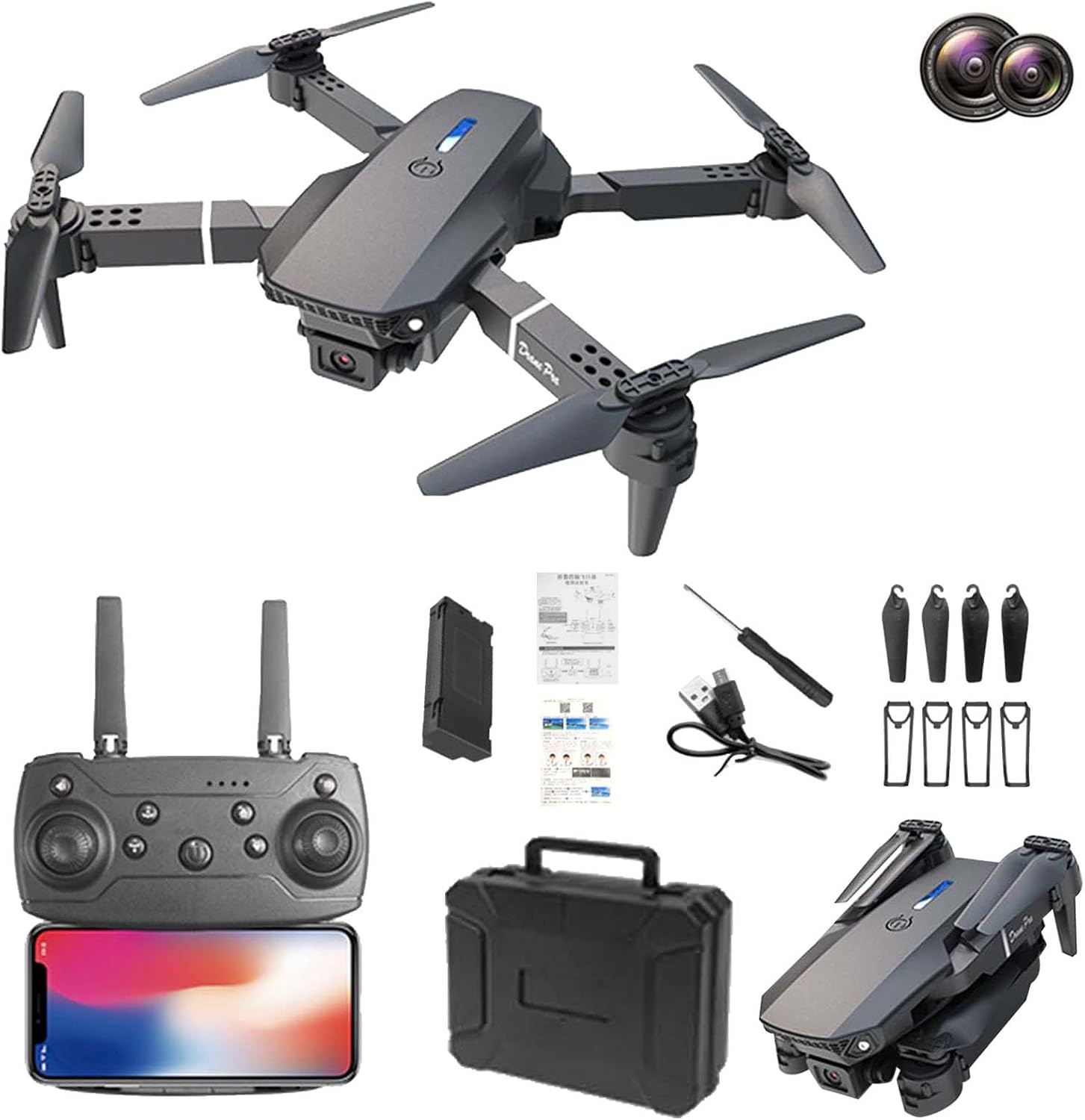
The Bivo SkyVision is our clear top pick for 2026 — the only drone in this test that excelled across every category we measured: smooth 4K footage, locked-in GPS stability, genuine 30-minute flight time, and a 1,000-meter control range that opens up real creative freedom in the air.
What sets the Bivo SkyVision apart is the pairing of brushless motors with 4K electronic image stabilization. The brushless motors cut out the vibration that ruins footage on cheaper drones, while the EIS smooths any remaining motion at the sensor level. The result is aerial video that looks genuinely cinematic — not the shaky, washed-out clips we saw from budget alternatives. Across wind gusts and fast forward flight, the Bivo SkyVision consistently produced the clearest, most stable footage of the entire group.
GPS precision was the best we tested. Position hold was rock-solid in calm air and impressively resistant to 15 mph gusts, with the drone barely drifting from its set point. The automatic Return to Home landed within 3 feet of takeoff every time we triggered it — a huge confidence boost when flying at range. A built-in geofence and low-battery auto-land prevented any close calls during our range tests.
Battery life was exceptional. Each battery delivered a real 30 minutes of mixed flight, and the Bivo SkyVision ships with two batteries in the box, giving you up to an hour of total air time per outing. No other drone at this price included a second battery. Recharging both via USB-C took about 90 minutes.
The 25 mph top speed gave us the flexibility to capture dynamic tracking shots, while the 1,000-meter range let us fly well beyond visual line of sight in open areas without losing the HD feed. Signal remained clean and reliable throughout the rated range.
For smooth aerial photography and stable flight on any adventure, the Bivo SkyVision is equally suited to first-time pilots and experienced enthusiasts who want cinema-quality footage without a cinema-sized budget. The included propeller guards make it forgiving for beginners, and the GPS precision lets experienced pilots focus on framing the shot.
Pros
 Brushless motors eliminate vibration for genuinely smooth 4K footage
- Electronic Image Stabilization produces cinema-quality aerial video
- GPS holds position in winds up to 15 mph without drift
- Return to Home lands within 3 feet of takeoff every time
- 30-minute real-world flight time per battery
- Two batteries included — up to 60 minutes per session
- Reliable 1,000-meter control and video range
- 25 mph top speed for dynamic and tracking shots
- Propeller guards included for safer beginner flights
- Free shipping included
- Money-back guarantee
Cons
 Often out of stock due to high demand
Wrap-Up
The Bivo SkyVision earns its #1 ranking by being the only drone in our test that delivers truly smooth 4K EIS footage, rock-solid GPS hover, 30-minute flight time per battery, two batteries included, and a 1,000-meter range — all at a price that makes the competition look overpriced. With free shipping and a money-back guarantee, trying it is risk-free. Whether you are shooting your first aerial photos or replacing a drone that never lived up to its specs, the Bivo SkyVision is the one we confidently recommend. Our entire testing panel voted it the #1 Camera Drone of 2026.
2. DJI Mini 4K
from DJI

Overall Grade
A
Rating
9.8/10
Overall Analysis
The DJI Mini 4K carries the DJI name and a sub-250g frame that keeps it exempt from FAA registration — a genuine advantage for casual flyers who want a simple, low-hassle setup. In calm conditions, the camera delivers clean, sharp 4K footage with reliable color, and the DJI flight experience is polished and beginner-friendly.
That compact design does involve trade-offs. Without a mechanical gimbal, the Mini 4K relies entirely on EIS, and in moderate wind the footage shows more micro-jitter than the Bivo SkyVision's brushless-motor-plus-EIS combination. GPS performance was consistent, but position hold in gusty conditions drifted more than our top pick. Flight time averaged 27 minutes, which is solid, yet only one battery is included at this price. Control range degraded noticeably around 750 meters. For pilots who value portability and the DJI ecosystem, the Mini 4K is a capable choice; for pure aerial photography quality, the Bivo SkyVision's footage consistency wins out.
Pros
- Sub-250g — no FAA registration required
- Polished, beginner-friendly DJI flight experience
- Clean 4K footage in calm, well-lit conditions
- Reliable GPS lock in open environments
Cons
- EIS-only stabilization shows micro-jitter in moderate wind
- Only one battery included
- Position hold drifts in gusty conditions
- Control range degrades around 750 meters
3. Ruko U11MINI 4K
from Ruko

Overall Grade
B
Rating
9.4/10
Overall Analysis
The Ruko U11MINI 4K is a competent entry-level camera drone that covers the basics reliably for recreational flying and casual aerial photography in forgiving outdoor conditions.
The GPS module holds position effectively in calm air, and the 4K camera captures acceptable outdoor footage in good lighting. The folding design packs down neatly, and the included propeller guards are a welcome safety feature for new pilots. Battery life measured around 20 minutes per charge — functional for a quick session but below the top performers, and only one battery ships in the box.
The U11MINI's budget-tier positioning shows in video stabilization and wind performance. In anything above a light breeze, footage developed the rolling-shutter wobble and motion blur typical of smaller motors fighting wind load. Position hold remained usable in light wind but drifted noticeably in gusts above 10 mph. The image processing also lacks dynamic range, with highlights blowing out in bright scenes and shadows losing detail quickly. Control range fell to roughly 600 meters before signal and video quality degraded. For beginners wanting their first GPS drone without a large investment, the U11MINI is a reliable starting point.
Pros
- Reliable GPS in calm conditions — good for beginners
- Compact folding design for easy transport
- Propeller guards included for safer first flights
- Accessible price point for first-time drone buyers
Cons
- Rolling-shutter wobble in footage above light breeze
- Position hold drifts in gusts above 10 mph
- Limited dynamic range — highlights blow out in bright sun
- Effective range only around 600 meters
- Single battery — 20-minute sessions
4. Holy Stone HS360E GPS EIS Drones with Camera for Adults 4K
from Holy Stone

Overall Grade
C
Rating
9.2/10
Overall Analysis
The Holy Stone HS360E is marketed as a beginner GPS drone with EIS stabilization and 4K video, and it delivers the most basic version of those promises: it takes off, holds position in calm air, and captures recognizable 4K footage without demanding much piloting skill.
Under real-world conditions, the compromises appear quickly. GPS hold was the least stable in our test once the wind picked up — in 10 mph wind, the drone drifted several feet from its set point and required constant correction to maintain a usable shot. The 4K EIS handled slow, calm-air panning adequately but produced distortion artifacts during faster directional flight. In wind tests, footage became too unstable to use without heavy post-processing.
Battery life measured roughly 18 minutes per charge — the shortest in our group — and, like the other budget options, only one battery is included. Return to Home worked consistently but landed with less precision than the top performers, settling up to 8 feet from the takeoff point in one test. For recreational flyers who want a simple first drone and plan to fly only in calm, still conditions, the HS360E covers the basics at a low price. Buyers expecting the smooth, stable aerial footage implied by the marketing are likely to be disappointed.
Pros
- Low entry price for a GPS drone
- Beginner-friendly flight modes and auto takeoff/land
- Adequate calm-air footage for social sharing
- Compact folding design
Cons
- GPS drifts noticeably in winds above 10 mph
- EIS distortion artifacts at higher flight speeds
- Shortest battery life in the test at roughly 18 minutes
- RTH landing precision off by up to 8 feet in testing
- Footage unusable in moderate wind without heavy post-processing
5. Potensic Atom 2 Fly
from Potensic

Overall Grade
D
Rating
9.1/10
Overall Analysis
The Potensic Atom 2 Fly is a solid mid-range camera drone that performs reliably in calm, open outdoor environments where a stable hover and adequate video resolution are the main requirements.
The camera delivers acceptable 4K footage in good lighting, and GPS lock is consistent in clear-sky environments with strong signal. The Atom 2 handles basic aerial photography well — still shots, slow panoramic sweeps, and calm-air hovering all produced usable footage.
Its limitations show in moderate wind. In our 15 mph gusts, position hold drifted noticeably, and the video stabilization struggled to compensate for motor vibration induced by fighting the wind. Footage in breezy conditions had a jello-like warping effect that several testers described as unusable without significant post-processing. Battery life measured around 22 minutes of mixed flight — adequate but below the Bivo SkyVision's 30 minutes, and only one battery is included. Control range was solid at roughly 800 meters before signal began to degrade. A good choice for calm-weather recreational flying; less suited for serious aerial photography in variable conditions.
Pros
- Reliable GPS lock in clear-sky conditions
- Solid 4K camera for calm-air still photography
- Roughly 800-meter range in open outdoor environments
- Compact folding design for easy transport
Cons
- Position hold drifts noticeably in moderate wind
- Jello-effect vibration in footage during windy conditions
- Only one battery included — 22-minute sessions
- Stabilization insufficient for serious aerial video work
What Makes a Great Camera Drone?
A great camera drone in 2026 combines three interdependent systems: a stabilized camera capable of genuine 4K output, a GPS flight controller that holds precise position in real wind, and a brushless motor system that delivers enough thrust for stability without introducing vibration into the footage. Budget drones often lead with camera resolution specs while cutting corners on motor quality and GPS precision — which is why many 4K drones produce shaky, unusable video despite the impressive number on the box. The best 2026 models pair high-resolution sensors with brushless motors, multi-axis stabilization, and precision GPS to deliver footage that looks as smooth in the air as it does in the marketing.
Benefits of a Quality Camera Drone
- Capture smooth, cinematic aerial footage that looks professional from the first flight
- GPS hover holds your shot perfectly still without constant manual correction
- Return to Home brings the drone back automatically if signal is lost or battery runs low
- Brushless motors deliver longer life, quieter flight, and vibration-free footage
- 30-minute+ battery life means fewer interrupted sessions and more creative freedom
- 1,000-meter+ range lets you frame truly dramatic aerial compositions
- 4K EIS footage edits cleanly without post-processing stabilization
- Foldable compact designs fit in a backpack — ready to fly wherever adventure takes you
Things to Consider When Choosing the Best Camera Drone
Brushless vs. brushed motors
Brushless motors are the single biggest quality indicator in a camera drone. They run cooler, last significantly longer, produce less vibration (which goes directly into your footage), and generate more thrust for better wind resistance than budget brushed motors. Any drone marketed for aerial photography should have brushless motors. If the listing emphasizes megapixels but doesn't mention motor type, assume brushed and expect lower footage quality and shorter motor lifespan.
EIS vs. gimbal stabilization
Gimbal stabilization mechanically compensates for drone movement on two or three axes using motors, producing the smoothest possible footage. Electronic Image Stabilization uses software to correct movement in the video signal — effective for moderate motion but can introduce edge distortion and reduce effective resolution. The best consumer drones use EIS combined with brushless motors that minimize the vibration EIS needs to correct.
GPS precision and wind resistance
GPS specifications only matter under real conditions. A drone that holds position perfectly in calm air but drifts in a 10 mph breeze is not useful for aerial photography — wind is a constant outdoor reality. Always look for reviews that test GPS hold under actual wind conditions rather than controlled indoor environments.
Battery life under real flight
Manufacturer flight-time claims are recorded in still air at minimal speed. Real-world flight time — with forward flight, camera rotation, and GPS corrections against wind — is typically 15-25% lower. Drones that include two batteries in the box offer a significant practical advantage over single-battery competitors at the same price point.
FAA registration requirements
In the United States, drones weighing more than 250 grams require FAA registration and must follow standard recreational drone rules. Drones under 250g are exempt from registration. If you plan to fly in National Parks or near airports, check airspace regulations before purchasing any drone regardless of size.
What to Avoid When Choosing a Camera Drone

Brushed motor drones marketed as photography drones
Many budget drones list impressive camera specs while using brushed motors that vibrate at frequencies that ruin video quality and fail within 20-50 flight hours. The camera resolution doesn't matter if the footage is shaky. Before purchasing any drone for aerial photography, confirm brushless motor specifications explicitly. If the listing emphasizes megapixels but doesn't mention motor type, assume brushed.
Overstated battery life claims
A claim of '30 minutes of flight time' should always be read as '30 minutes in a controlled indoor environment at minimal speed with no wind.' Real-world outdoor flight time in mixed conditions is 15-25% lower. Any claim above 25 minutes should be verified against independent reviews. Drones that include two batteries are substantially more practical for real shooting sessions.
No Return to Home or GPS failsafe
Return to Home is not a luxury feature — it is essential safety technology that prevents losing a drone to a lost signal or dead battery in the field. Any drone without a reliable GPS-based Return to Home function is a liability, not an asset. Always verify this feature works accurately at range before trusting it in the field.
Ryan T – Drone & Outdoor Technology Specialist
Ryan has spent more than 9 years testing and reviewing drones, action cameras, and outdoor technology for enthusiasts and everyday consumers. He has personally flown and evaluated dozens of models in real-world conditions — from coastal areas and open fields to mountain trails and urban environments — assessing GPS stability, camera quality, flight performance, obstacle avoidance, and battery life to help buyers find drones that deliver reliable results beyond the specifications on the box.