We Spent 3 Weeks Testing 15 OBD2 Scanners to Find the Best for 2026
Few things are more stressful than breaking down on the motorway at midnight, with warning lights flashing across the dashboard and no idea what's wrong. The tow alone can cost £150, and a garage may charge another £80 simply to plug in a diagnostic tool and tell you the petrol cap is loose. It's a costly lesson, and it's exactly why every driver should own an OBD2 scanner.
Choosing the right one is harder than it should be. There are hundreds of models, the specifications are confusing and prices vary enormously. Will it work with your car? Will it be too complicated to use? And will it really save you money, or just end up gathering dust in the glovebox?
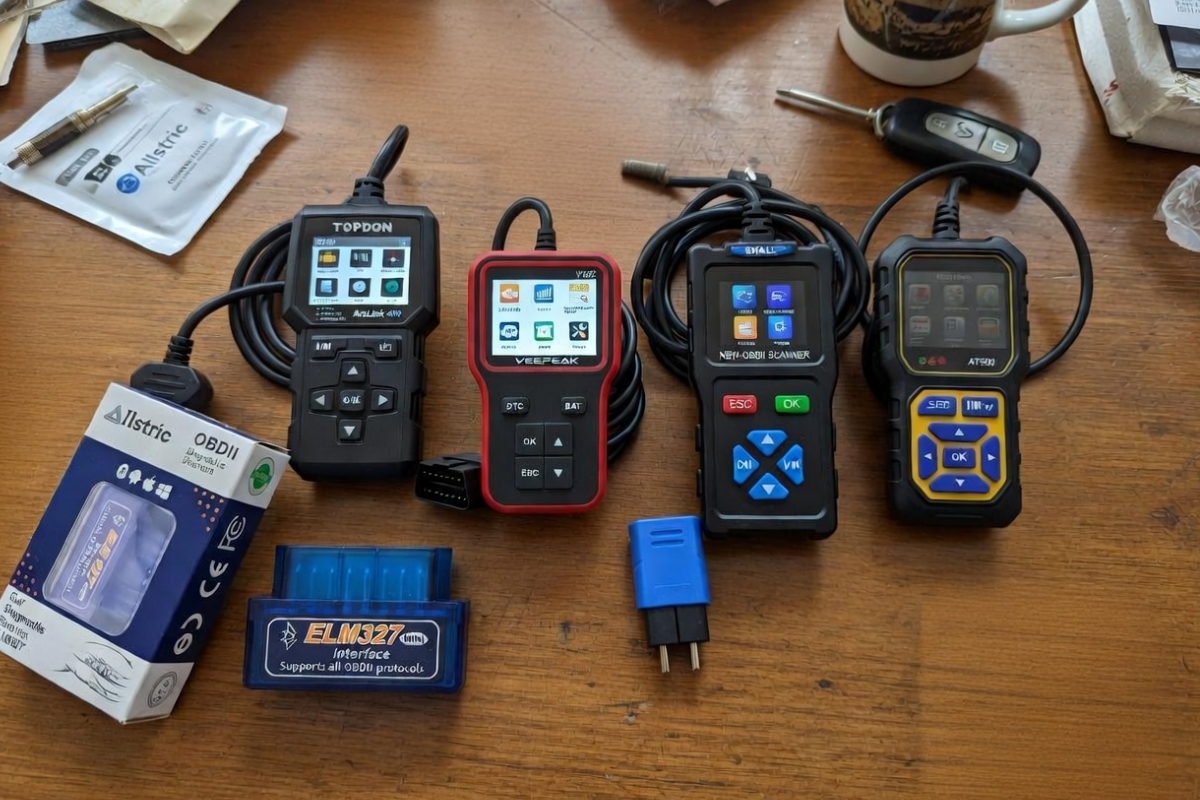
To find out, we spent 3 weeks testing 15 diagnostic tools on a wide range of makes and models, then narrowed them down to the five that combine accurate results, straightforward operation and genuine value. Whether you've never lifted a bonnet or you service your own cars, you'll find a scanner here that turns worrying dashboard warnings into clear, practical answers. We judged every model on four criteria:
Diagnostic Capability & Code Coverage
A comprehensive fault code library, generic and manufacturer-specific codes, quality live data and freeze frame analysis for accurate diagnosis.
User Interface & Ease of Operation
Screen clarity and size, intuitive menus, button layout, language support and accessibility for every level of experience.
Vehicle Compatibility & Protocol Support
The range of supported years and makes, OBD2 protocol coverage (CAN, ISO, J1850, KWP) and support for American, European and Asian vehicles.
Advanced Features & Value
Extras beyond basic code reading, such as battery testing, cloud printing and graphing, plus build quality, portability and overall value.
To back up our own testing, we surveyed 100 verified buyers from 55 leading retailers and 27 specialist marketplaces and reviewed the results with industry experts. Here are the 5 best OBD2 scanners for 2026.

David Melbourne – Automotive Diagnostics Specialist
David Melbourne is a seasoned automotive technology specialist with over 12 years of hands-on experience in vehicle diagnostics, maintenance, and automotive electronics. Having tested more than 150 diagnostic tools across a wide range of vehicle makes and models, David specializes in evaluating OBD2 scanners for accuracy, ease of use, functionality, and real-world performance. His thorough testing approach combines technical evaluation with practical vehicle testing to provide reliable, detailed product assessments.

1. Bivo AutoScan
from Bivo
Overall Grade
A+
Rating
9.8/10
Overall Analysis
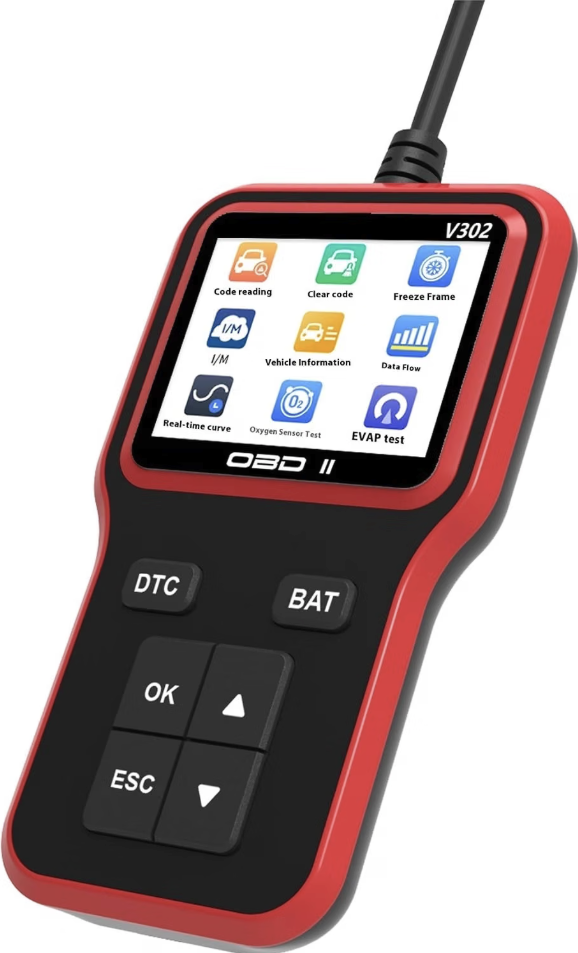
The Bivo AutoScan is the clear winner among 2026 diagnostic tools, pairing professional-grade capability with genuine ease of use. It's far more than a simple code reader; it's a complete vehicle health monitor that puts dealership-level diagnostics in your hands. Its built-in library of 35,901 codes removes the guesswork that plagues cheaper scanners, giving you precise fault definitions instantly with no internet searches or subscriptions.
What really sets it apart is the dual-mode colour display, with light and dark themes on a crisp 2.8-inch screen. Real-time engine data shows live readings for RPM, voltage, air flow, temperature, speed and fuel trim, so you can spot developing issues before they become expensive repairs. Cloud printing lets you export diagnostic reports straight to your smartphone to keep, share with your mechanic or use for insurance records.
It's equally impressive in everyday use. One-click code clearing safely erases trouble codes and switches off the Check Engine light after a repair, saving you a trip to the garage just to reset a warning. The rugged, anti-slip housing stands up to workshop conditions, the compact size fits any toolbox or glovebox, and it supports 16 languages while working reliably from -30°C to 70°C.
Compatibility is universal across OBD2 vehicles: 1996 onwards in the USA, 2001 onwards in Europe and most modern Asian cars, with support for CAN, KWP, J1850 PWM, J1850 VPW and ISO9141. Whether it's a temperamental Volkswagen, a Ford pickup or a Toyota hybrid, it delivers accurate, useful information within seconds of plugging in. There are no apps, no Bluetooth pairing and no subscription fees.
It suits beginners facing their first Check Engine light just as well as experienced DIY mechanics looking after several cars. First-time users can diagnose a fault within minutes, while the full feature set satisfies professional technicians. A single avoided diagnostic fee typically covers the cost of the scanner, so every use after that is pure savings.
Pros
 Massive 35,901-code database with detailed definitions eliminates guesswork
- Dual-mode colour display (light/dark themes) for optimal visibility
- Cloud printing function exports reports directly to smartphones
- One-click Check Engine light reset saves diagnostic fees
- Real-time data streaming monitors critical engine parameters live
- No apps or subscriptions required—plug-and-play simplicity
- Supports 16 languages for international accessibility
- Rugged anti-slip housing withstands harsh automotive environments
- Works with all OBD2 vehicles (1996+ US, 2001+ EU)
- Operates reliably in extreme temperatures (-30°C to 70°C)
Cons
 Frequently out of stock due to overwhelming demand and limited production runs
Wrap-Up
The Bivo AutoScan earns our top spot with an unmatched combination of diagnostic depth, user-friendly design and value. Its huge code library, cloud printing and professional-grade features turn car diagnostics from an intimidating, expensive ordeal into a simple, money-saving routine. Stock is limited and sells out often, so if it's available, it's the scanner we'd buy first.
2. Shall OBD2 Scanner
from Shall
Overall Grade
B+
Rating
9.1/10
Overall Analysis
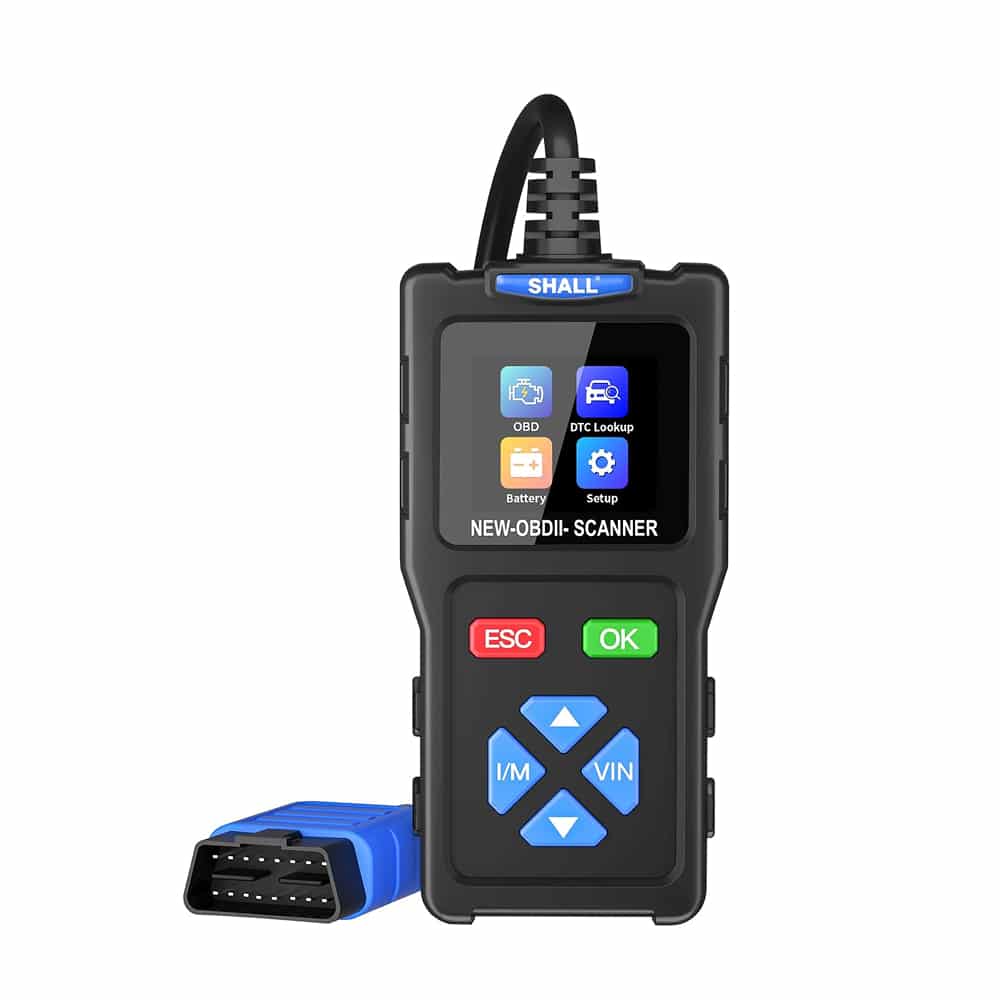
The Shall OBD2 Scanner is an excellent mid-range option that covers the essentials without unnecessary complexity. At just 5.0 x 2.5 inches, it's easy to use one-handed and fits in any toolbox or jacket pocket. It reads and clears emission-related fault codes in seconds and works with 99% of OBDII vehicles: 1996 onwards in the US, 2006 onwards in the EU and 2009 onwards in Asia.
Functions include finding the cause of an engine warning light, freeze frame data, I/M readiness, vehicle information, live data and real-time curves for readings such as coolant temperature and speed. Six buttons handle scrolling, ESC/OK and quick VIN and I/M checks, and it supports nine languages. No app is needed, so it suits beginners and budget-conscious owners who simply want to know why the Check Engine light is on.
Pros
- Extremely compact 5.0 x 2.5-inch design fits easily in pockets
- Comprehensive diagnostic functions cover all essential vehicle systems
- Compatible with 99% of OBDII vehicles across multiple regions
- No additional apps required for immediate plug-and-play operation
- Six-button interface simplifies navigation and quick queries
- Supports nine widely-used languages for international users
- Reads and clears fault codes in seconds for time efficiency
Cons
- Limited advanced features compared to premium diagnostic scanners
- Frequently experiences stock shortages during peak demand periods
3. TOPDON AL400 OBD2 Scanner
from TOPDON
Overall Grade
B
Rating
8.3/10
Overall Analysis
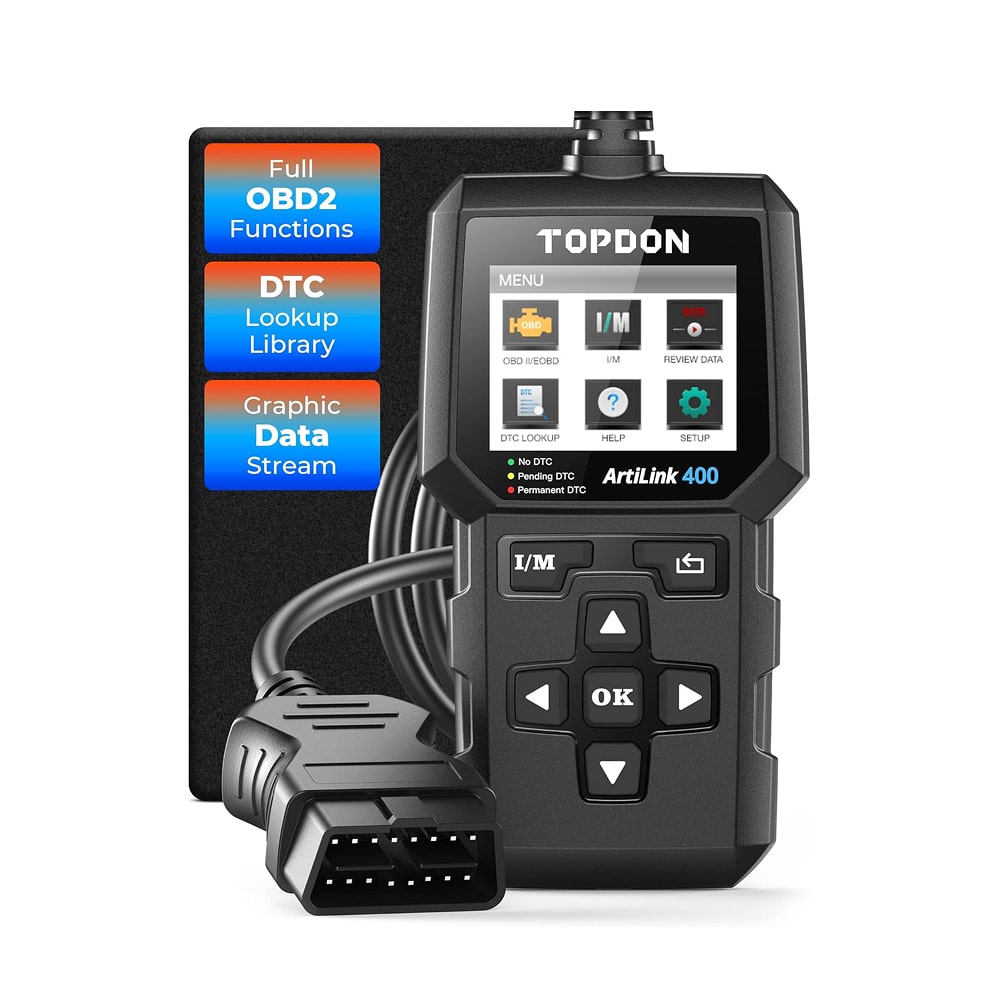
The TOPDON AL400 offers ten full OBDII functions, bridging the gap between basic code readers and professional equipment. Its built-in DTC lookup explains engine lights without outside resources, and it covers most US cars from 1996, EU cars from 2000 and Asian cars from 2008 across all major protocols. The 2.4-inch backlit colour screen stays readable in dark garages, and it reads generic and manufacturer-specific codes, with O2 sensor and EVAP testing, freeze frame data and live data graphing.
Free lifetime updates are installed via a computer, and TOPDON backs it with a 24-month warranty and 24/7 online support. It's popular with mobile technicians and small workshops for its portability and price. It supports seven languages, and buyers should check TOPDON's compatibility database before ordering to make sure their vehicle is covered.
Pros
- Ten full OBDII functions including O2 and EVAP testing
- Built-in DTC lookup eliminates need for external code references
- 2.4-inch backlit colour screen performs well in dark conditions
- Free lifetime updates maintain compatibility with evolving vehicles
- 24-month warranty with 24/7 customer support available
- Compact design ideal for mobile technicians and roadside work
Cons
- Compatibility varies by model—pre-purchase verification required via website
- Limited to seven languages compared to competitors' broader support
- Stock availability issues reported during high-demand periods
4. iKiKin OBD2 Scanner
from iKiKin
Overall Grade
C+
Rating
7.7/10
Overall Analysis
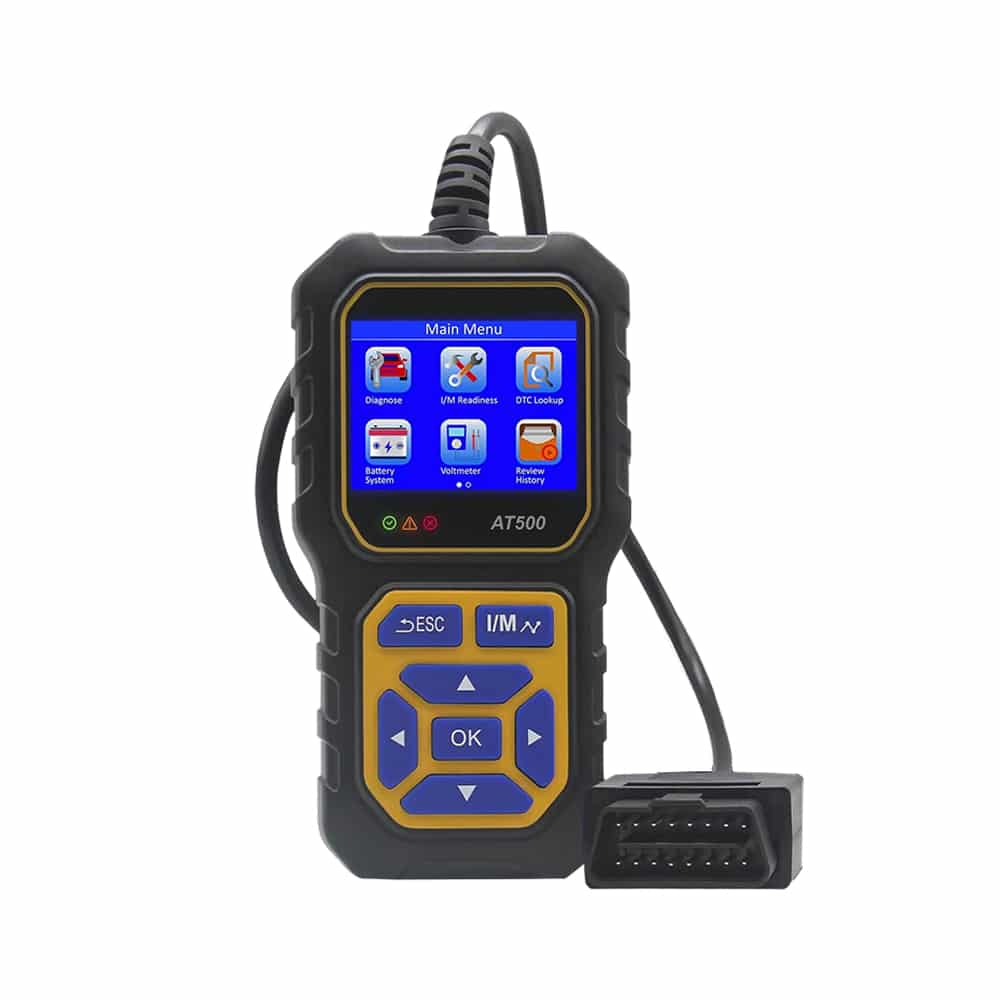
The iKiKin stands out for battery and charging system diagnostics that go beyond standard code reading. A built-in voltage meter, battery indicator, start system test and charging analysis, including waveforms, load voltages and ripple tests, help track down intermittent starting problems, alternator faults and ageing batteries that basic scanners can't assess. Live data is shown in diagrams, making it easy to see whether the fuel mixture is running rich or lean.
Its software claims diagnosis speeds two to three times faster than rival scanners, and it supports all OBDII protocols for US vehicles from 1996 plus compliant European and Asian cars. It can record and replay sensor data and retrieve VIN, CIN and CVN. It's light and compact, but the more technical interface may overwhelm complete beginners.
Pros
- Specialised battery and charging system diagnostics with waveform analysis
- Built-in voltage metre and battery performance indicators
- Diagnosis speed 2-3 times faster than standard OBD2 scanners
- Displays real-time data through visual diagrams and graphs
- Stores and replays sensor data for detailed analysis
- Lightweight, compact design ideal for travel and portability
Cons
- More complex interface may overwhelm complete beginners
- Limited language support compared to top-tier competitors
- Advanced features require basic electrical system knowledge
- Frequently out of stock due to specialised feature demand
5. Allstric OBD2 Scanner
from Allstric
Overall Grade
C
Rating
7.4/10
Overall Analysis
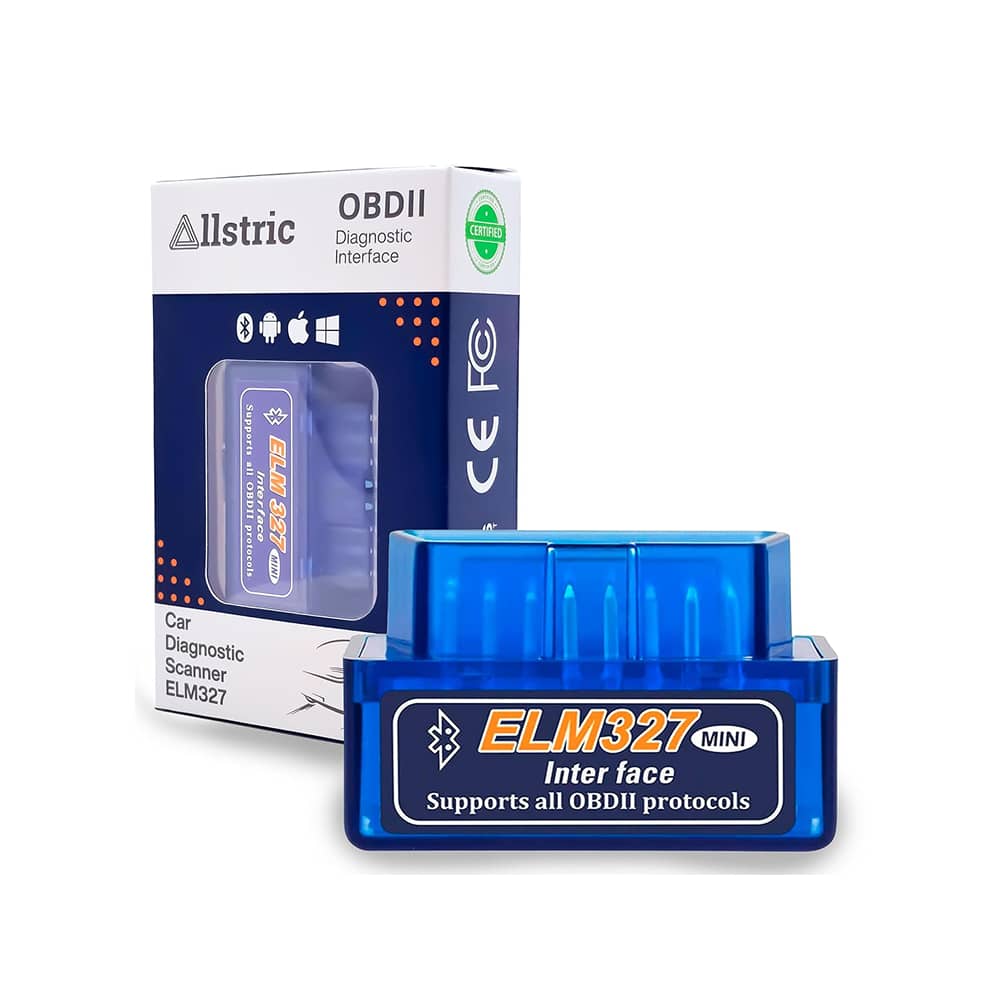
The Allstric takes a different approach, using a Bluetooth connection to turn your iOS, Android, Windows or Linux device into the display through apps such as Torque. It includes over 3,000 generic code definitions, reads and clears engine codes, resets the engine light and shows live data such as O2 sensor and coolant temperature readings. It can't read ABS or airbag codes.
It supports the five main OBD2 protocols but isn't suitable for trucks, hybrids or electric vehicles. It's small enough to leave plugged in, though you'll need a charged phone, a successful pairing and a decent app. For smartphone-savvy beginners who only need basic engine diagnostics, it's an affordable way to get started.
Pros
- Bluetooth connectivity works with iOS, Android, Windows, and Linux
- Leverages existing smartphone as display to reduce costs
- Over 3,000 generic code definitions cover common faults
- Compatible with popular Torque app for enhanced diagnostics
- Exceptionally compact and portable wireless design
Cons
- Cannot detect ABS or airbag fault codes—engine only
- Requires charged smartphone and successful Bluetooth pairing
- Not suitable for trucks, hybrids, or electric vehicles
- User experience varies depending on third-party app quality
- Frequently out of stock due to budget-friendly pricing appeal
What Is an OBD2 Scanner?
An OBD2 scanner is an electronic tool that plugs into your vehicle's On-Board Diagnostics (OBD) port to talk to the car's computer. OBD2 has been standard on petrol cars in the US since 1996, in Europe since 2001 and across Asia between 2005 and 2009. The system constantly monitors engine performance, emissions and sensors, and stores a fault code when something goes wrong.
When the Check Engine light comes on, a scanner reads these diagnostic trouble codes (DTCs) and explains what's malfunctioning. Modern scanners also show live sensor data, freeze frame data from the moment the fault occurred, and readiness monitors for emissions systems. They connect through a standard 16-pin socket, usually under the dashboard near the steering column, and communicate using protocols such as CAN, ISO, J1850 and KWP. For owners, that means understanding a problem before visiting a mechanic, confirming repairs worked and keeping detailed service records.
Benefits of OBD2 Scanners
Immediate Cost Savings
Avoid garage diagnostic fees (typically £50–£100 a visit) by checking warning lights yourself at home.
Early Problem Detection
Live data helps you spot developing issues before they cause breakdowns or costly repairs.
Verify Repair Quality
Clear the codes after a repair and see whether they return, so you know the job was done properly.
Avoid Unnecessary Repairs
Knowing exactly what's wrong protects you from being sold expensive work you don't need.
Detailed Service Records
Log codes, dates and conditions to build a maintenance history that helps resale and spots recurring faults.
MOT Preparation
Check I/M readiness before an MOT so incomplete emissions monitors don't cause an automatic fail.
Peace of Mind on the Road
Diagnose simple roadside problems, like a loose petrol cap or disconnected sensor, and avoid needless towing.
Learn How Your Car Works
Watching live sensor data builds real automotive knowledge over time.
Things to Consider When Choosing an OBD2 Scanner
Vehicle Compatibility
Confirm the scanner supports your car's year, make, model and protocol before buying. Not every scanner works with every car.
Diagnostic Scope
Decide whether you need engine codes only or ABS, airbag, transmission and body module access, which affects choice and price.
Ease of Use
Be honest about your comfort level. Some scanners guide beginners; others assume mechanical knowledge.
Display Quality
Backlit colour screens with adjustable brightness are far easier to read than basic monochrome displays.
Updates
Check whether software updates are available to keep the scanner compatible with newer vehicles.
Connection Type
Choose between a standalone scanner with its own screen or a Bluetooth/Wi-Fi adapter that uses your phone.
Language & Regional Support
Make sure it supports your language and the US, European or Asian standards your vehicle uses.
What to Avoid When Buying an OBD2 Scanner

Assuming Every Scanner Reads Every System
Many budget models only read engine codes, not ABS, airbag, transmission or body modules.
Ignoring Protocol Compatibility
Older cars use J1850 or ISO9141 rather than CAN. Make sure your vehicle's protocol is supported.
Expecting Repair Instructions
Scanners identify problems but don't explain how to fix them; you'll still need a manual or mechanic.
Overlooking Code Definitions
Cheap scanners may show only a code like P0420 with no explanation, sending you to search online.
Thinking Clearing a Code Fixes It
Erasing a code only turns off the light. It will return if the fault isn't repaired, and clearing too early can wipe useful freeze frame data.
David Melbourne – Automotive Diagnostics Specialist
David Melbourne is a seasoned automotive technology specialist with over 12 years of hands-on experience in vehicle diagnostics, maintenance, and automotive electronics. Having tested more than 150 diagnostic tools across a wide range of vehicle makes and models, David specializes in evaluating OBD2 scanners for accuracy, ease of use, functionality, and real-world performance. His thorough testing approach combines technical evaluation with practical vehicle testing to provide reliable, detailed product assessments.