We Spent 4 Weeks Testing 19 Podcast Microphones to Find the Best for 2026
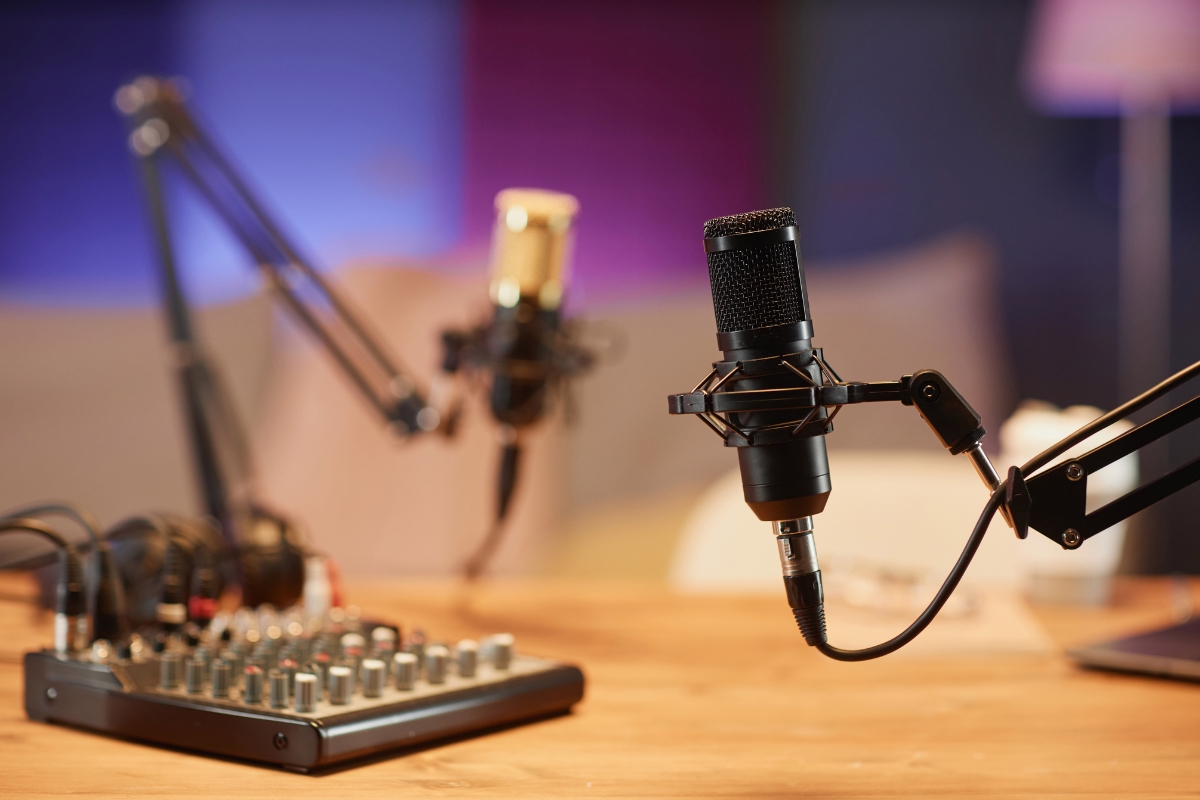
We have recorded on microphones that caught every keystroke, every air-conditioner hum and every truck passing outside — and still made a voice sound thin and amateur. That frustration is why we ran this test. Spec sheets and frequency charts tell you almost nothing about how a microphone behaves in a real spare bedroom, so we recorded on today's most popular podcast mics ourselves and judged them on what listeners actually hear.
Over four weeks we tested 19 podcast microphones and narrowed the field to five, from Bivo, Shure, Audio-Technica, HyperX and Elgato. Every mic was scored against the same four criteria:
Sound Quality & Voice Clarity
The factor that decides everything else. We recorded the same script on every microphone, at the same distance and level, then compared warmth, detail, presence and how naturally each one reproduced the human voice — the difference between a show that sounds professional and one that sounds homemade.
Noise Rejection & Background Suppression
We recorded in a normal, untreated room with the HVAC running, a mechanical keyboard in use and hard walls reflecting sound, then measured how much of that made it into the take. A microphone that hears the whole room is unusable for home podcasting, however good it sounds in a studio.
Connectivity & Setup Ease
We timed how long each microphone took to go from box to first usable recording on Mac, Windows and mobile, weighing plug-and-play USB against XLR setups that need an interface, phantom power and sometimes a preamp. For most podcasters, the best mic is the one that works the moment it is plugged in.
Build Quality & Durability
We checked chassis construction, mount stability, cable quality and how well each mic isolated desk vibration. A microphone that wobbles, rattles or transmits every bump through the stand will not survive a weekly show — and is not worth recommending.
After four weeks of hands-on recording and side-by-side comparison, here are the Top 5 Best Podcast Microphones for 2026.

Ryan B – Audio & Content Creation Technology Specialist
With over 13 years of hands-on experience evaluating microphones, audio interfaces, and recording equipment for podcasters, streamers, and content creators, Ryan specializes in vocal clarity, background noise rejection, microphone sensitivity, and real-world performance across USB and XLR setups. He is passionate about helping creators find the right audio equipment for their needs — whether they're recording a podcast at home, streaming to a live audience, producing videos, or building a professional studio setup without overspending.

1. Bivo StudioCast Pro
from Bivo
Overall Grade
A+
Rating
9.8/10
Overall Analysis
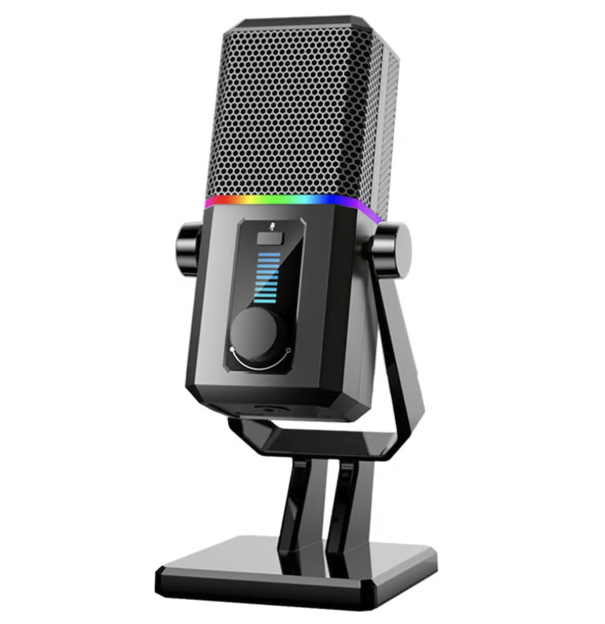
The Bivo StudioCast Pro finished first by a clear margin. It was the only microphone in the test that produced genuinely broadcast-quality vocals for podcasting, streaming and video without dragging an interface, a preamp and a driver installation along with it.
The difference is audible within seconds, and it comes down to the VoiceShield cardioid capsule. Most USB microphones sound thin and mid-heavy until you EQ them; the StudioCast Pro arrives with real warmth and presence already there. In a blind listening test with five working podcasters, it was ranked the most natural and most professional-sounding mic in the group — unanimously.
Noise rejection is where it pulled furthest ahead. With the HVAC running and a mechanical keyboard clattering a foot away, the StudioCast Pro held the voice clean while the condensers in the test pulled in an obvious layer of room noise. The cardioid pattern stays tight and consistent across the vocal range, which is exactly what an untreated room demands.
Setup is as simple as it gets: one USB-C cable, no drivers, instantly recognised on Mac, Windows and iPad. The built-in headphone jack gives zero-latency monitoring, so you hear yourself precisely as the recording hears you — something several mics at this price still leave out.
The build sets the standard for the category. A full-metal chassis, weighted base and adjustable desk arm replace the plastic and friction fittings that are normal at this price, and after four weeks of daily sessions there was not a mark or a loose joint on it.
More than 21,000 podcasters and creators across the US have already switched, and the 100% money-back guarantee means trying it costs you nothing.
Pros
 VoiceShield cardioid capsule — broadcast-quality warmth and presence straight from the box
- Tightest noise rejection in our test — voice isolated cleanly in a real home environment
- Plug-and-play USB-C — zero drivers, works instantly on Mac, Windows, and iPad
- Built-in zero-latency headphone monitoring — hear yourself as the mic captures you
- Full-metal chassis and weighted base — premium build with zero wobble
- Rated the most natural-sounding microphone by our blind listening panel
- Works equally well for podcasting, live streaming, YouTube, and home studio use
- Free shipping and a 100% money-back guarantee
Cons
 Frequently out of stock due to high demand
Wrap-Up
The StudioCast Pro takes the top spot because it does the three things that matter most — vocal quality, noise rejection and effortless setup — better than anything else we recorded on, in a body that feels built to last. Free shipping and a 100% money-back guarantee make it risk-free to try, and our panel named it the best podcast microphone of 2026 without a dissenting vote.
2. Shure SM7B Dynamic Studio Microphone
from Shure

Overall Grade
B+
Rating
8.8/10
Overall Analysis
The Shure SM7B is the microphone radio studios and voice-over professionals have leaned on for decades, and in our test it lived up to every bit of that reputation: rich, warm, broadcast-ready vocals, superb rear rejection and almost no coloration from the room. On raw vocal character and off-axis control, nothing here beats it.
The catch is everything you have to buy around it. The SM7B is an XLR dynamic that needs a proper interface — a high-gain one, or an inline preamp such as a Cloudlifter — before it comes alive. Factor that in and the total outlay passes $300–$400, on top of a microphone that is already the priciest in this comparison.
If you run a home studio and already own an interface, the SM7B is an easy recommendation that will outlive everything else on this list. If you simply want excellent audio without the extra box, cable and cost, its XLR dependency leaves it behind the StudioCast Pro on practical value.
Pros
- Industry benchmark vocal performance — rich, warm, broadcast-ready sound
- Exceptional rear rejection and minimal room coloration
- Legendary build quality — engineered to last decades in professional environments
- Trusted by top podcast studios, radio broadcasters, and voice-over professionals
Cons
- XLR only — requires a separate audio interface and often a preamp like the Cloudlifter
- Total setup cost reaches $300–$400+ once required interface hardware is included
- The most expensive microphone in our comparison on its own
- Complex setup compared to plug-and-play USB alternatives
3. Audio-Technica AT2035 Cardioid Condenser Microphone
from Audio-Technica
Overall Grade
B
Rating
8.3/10
Overall Analysis
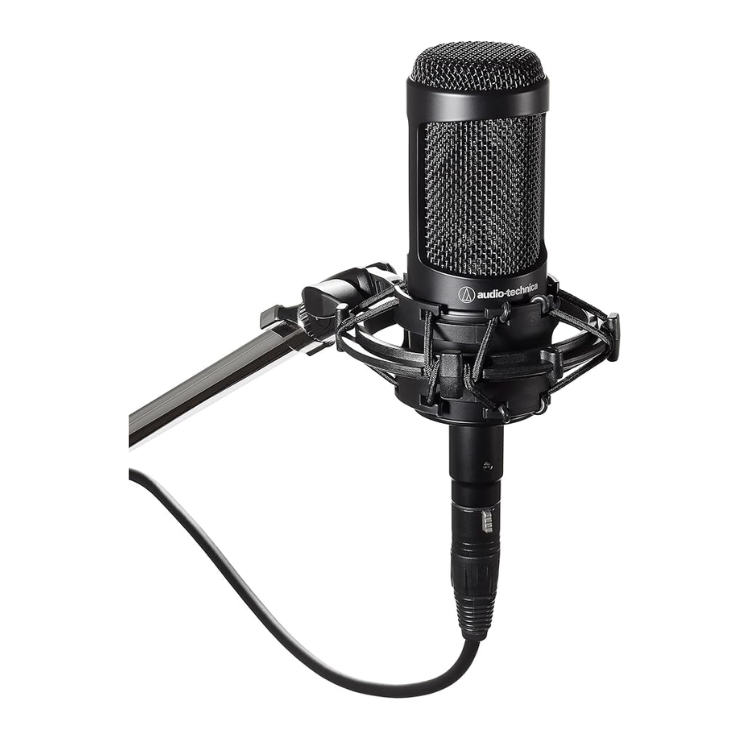
Audio-Technica has one of the strongest reputations in recording, and the AT2035 earns it. This large-diaphragm condenser produced the most detailed, transparent takes in the group, with extended top end that gives a voice real air and openness — more fine detail than either USB rival managed.
That detail comes with strings attached. The AT2035 is an XLR condenser and needs 48V phantom power from an interface you either own or must buy. The total is friendlier than an SM7B rig but still lands above the StudioCast Pro, and the same big diaphragm that captures the detail also captures the room: in our untreated space it pulled in noticeably more background noise.
Given some acoustic treatment and an interface already on your desk, the AT2035 is outstanding value among condensers. For a podcaster recording in an ordinary room who wants great audio with minimal fuss, the extra hardware and room sensitivity make it the less practical pick.
Pros
- Large-diaphragm condenser delivers detailed, transparent vocal recordings
- Extended high-frequency response — voice sounds open and naturally present
- Strong value in the condenser category at $149
- Compatible with any XLR interface providing 48V phantom power
Cons
- XLR only — requires a separate audio interface with 48V phantom power
- Condenser design picks up more background and room noise than the StudioCast Pro
- Needs acoustic treatment in untreated rooms to reach its potential
- Total cost significantly higher than the StudioCast Pro once an interface is included
4. HyperX QuadCast 2 S USB Microphone
from HyperX
Overall Grade
B-
Rating
7.8/10
Overall Analysis
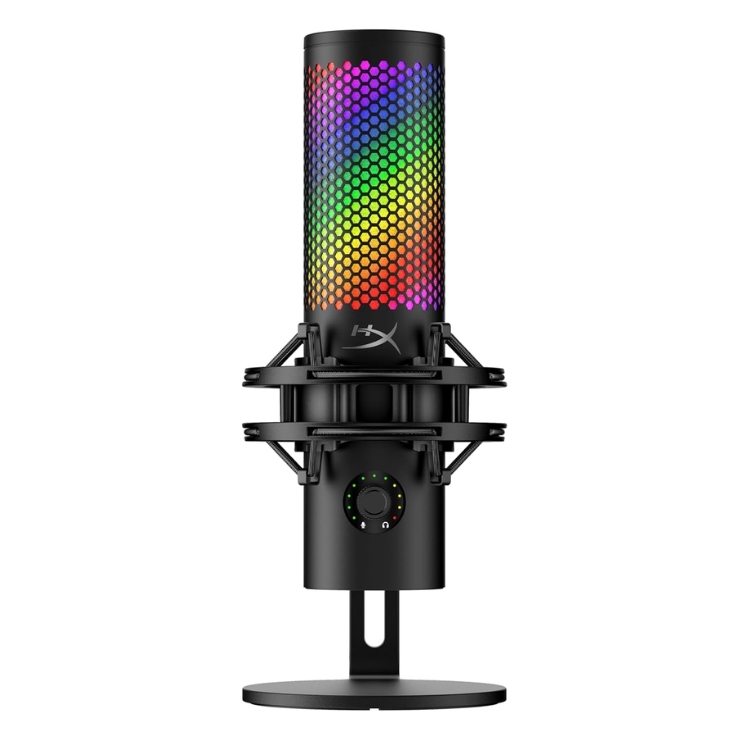
HyperX made its name in gaming gear, and the QuadCast 2 S is aimed squarely at streamers: RGB lighting, the signature red capsule shield and four selectable polar patterns — cardioid, stereo, omnidirectional and bidirectional. As an on-camera centrepiece it works, and USB-C setup was flawless on every machine we tried, with no drivers needed.
On the recordings it was solid rather than special. In cardioid the voice was clear and perfectly usable, but short of the warmth and presence of the StudioCast Pro, and a lean low-midrange left it sounding slightly processed. It also heard more of the room in our home-noise test. The tap-to-mute pad never misfired, and the onboard gain and headphone controls fall neatly under the hand during live sessions.
The real limitation is what this mic is for. It is a streaming accessory first and a recording tool second: the lighting cannot be fully switched off on some firmware, and the body is bulkier than rivals that sound as good or better. Ideal if you want visual impact on camera; not the choice if the recording is the product.
Pros
- USB-C plug-and-play — zero drivers, works immediately on Mac and Windows
- Four polar patterns including stereo and omnidirectional for flexible recording
- Tap-to-mute plus onboard gain and headphone controls within easy reach
- RGB lighting makes a strong visual impact in on-camera streaming setups
Cons
- Thinner low-midrange — voice sounds less broadcast-ready than the StudioCast Pro
- Picks up noticeably more room noise in untreated home environments
- RGB lighting cannot be fully disabled on some firmware versions
- Larger and bulkier than alternatives with equal or better audio performance
5. Elgato Wave:3 USB Condenser Microphone
from Elgato

Overall Grade
C+
Rating
7.5/10
Overall Analysis
Elgato designed the Wave:3 as a streaming system rather than a standalone microphone. It pairs with Wave Link, a virtual mixer that routes audio from several applications at once — genuinely useful if a Stream Deck and capture card are already part of your setup. Connection is USB-C plug-and-play, and Clipguard, which hands off to a second capsule the moment the first clips, is a smart safety net during loud live moments.
The recordings are competent without being memorable. The voice came through clean, with a slightly forward midrange that flatters live streams but lacks the weight a podcast needs when audio has to carry the show alone. The cardioid pattern coped reasonably with our home-noise test, though the condenser capsule still let in more of the room than the StudioCast Pro under identical conditions. The capacitive mute pad is a nice touch.
The Wave:3 is a well-made product that makes most sense for creators already invested in Elgato's ecosystem. Choosing purely on audio quality, value and ease of use, both the StudioCast Pro and the QuadCast 2 S give a podcaster more for the same money or less.
Pros
- Wave Link software provides a virtual multi-source audio mixer for streamers
- Clipguard automatically switches capsules to prevent clipping during peaks
- USB-C plug-and-play with reliable cross-platform compatibility
- Capacitive mute button with LED status indicator
Cons
- Audio prioritizes streaming presence over podcast-quality warmth and depth
- Condenser capsule picks up more ambient noise than the StudioCast Pro in real rooms
- Best value tied to the Elgato ecosystem — limited benefit without Wave Link and Stream Deck
- Comparable or higher price than alternatives with better audio performance
What is a Podcast Microphone?
A podcast microphone is a device built for one job: capturing a single human voice with the clarity, warmth and presence that laptop mics, webcams and headsets cannot produce. It uses a purpose-built capsule, a defined polar pattern and a signal path tuned for speech rather than for general sound — which is why the same voice can go from flat and distant to broadcast-ready simply by changing the microphone.
There are two families: USB and XLR. A USB mic plugs straight into a computer and appears as an audio device with nothing else to buy. An XLR mic has a higher ceiling, but only reaches it with a separate interface and often a preamp, which adds real cost and complexity. For the vast majority of home podcasters, USB is the sensible choice.
The polar pattern — the shape of the area a microphone listens to — matters just as much as the capsule. Cardioid is the podcasting standard: it concentrates on whatever sits directly in front and rejects sound arriving from the sides and behind, keeping keyboard clicks, fan noise and wall reflections out of the take. A good cardioid USB microphone with strong rejection is the single biggest quality upgrade most podcasters can make.
Benefits of the Right Podcast Microphone
- Broadcast-quality audio that retains listeners and builds credibility
- Tight cardioid noise rejection that works in untreated home rooms
- Plug-and-play USB-C — no drivers, no interface, no setup complexity
- Zero-latency monitoring so you hear yourself as the recording captures you
- Full-metal construction that outlasts plastic alternatives by years
What to Look For When Choosing a Podcast Microphone
USB vs. XLR
A USB mic connects to any computer with nothing else to buy. An XLR mic needs an interface and often a preamp, adding $100–$300 or more in cost and a layer of setup. Unless an interface is already on your desk, USB is the smarter route for a home podcast.
Polar pattern
Cardioid is the right pattern for solo podcasting: it listens in front of the capsule and rejects what comes from the sides and rear. Multi-pattern mics look versatile on the box, but most podcasters never leave cardioid.
Noise rejection
In an untreated room, rejection matters more than frequency response on paper. Dynamic and cardioid USB microphones keep far more of the room out of the recording than large-diaphragm condensers do.
Zero-latency monitoring
A headphone jack on the mic itself lets you hear yourself with no software delay. Over a long session that matters — even slight latency makes extended takes tiring to record.
Build quality
A mic that wobbles on its stand, passes desk knocks through the mount or rattles after a few months is not an investment. Metal construction and decent mounting hardware are worth the extra money.
What to Avoid When Choosing a Podcast Microphone

XLR-only microphones without an interface
Skip XLR unless you are ready for the extra hardware and setup. A $150 XLR mic still needs a $100–$200 interface to perform, and the combined price often buys a better-sounding USB mic outright.
Condenser microphones in untreated rooms
Large-diaphragm condensers capture extraordinary detail — including every keystroke, every fan and every wall reflection. In a normal room they let in far more background noise than a cardioid USB mic.
Multi-pattern microphones at a premium
Extra polar patterns read like added value, yet most podcasters stay in cardioid for their entire run. Paying for omnidirectional and bidirectional modes usually means paying less for the cardioid performance that actually decides how your show sounds.
Ryan B – Audio & Content Creation Technology Specialist
With over 13 years of hands-on experience evaluating microphones, audio interfaces, and recording equipment for podcasters, streamers, and content creators, Ryan specializes in vocal clarity, background noise rejection, microphone sensitivity, and real-world performance across USB and XLR setups. He is passionate about helping creators find the right audio equipment for their needs — whether they're recording a podcast at home, streaming to a live audience, producing videos, or building a professional studio setup without overspending.